9 min read
Jan 20, 2026
Last reviewed: February 13, 2026
By: High-Risk Insurance Specialist
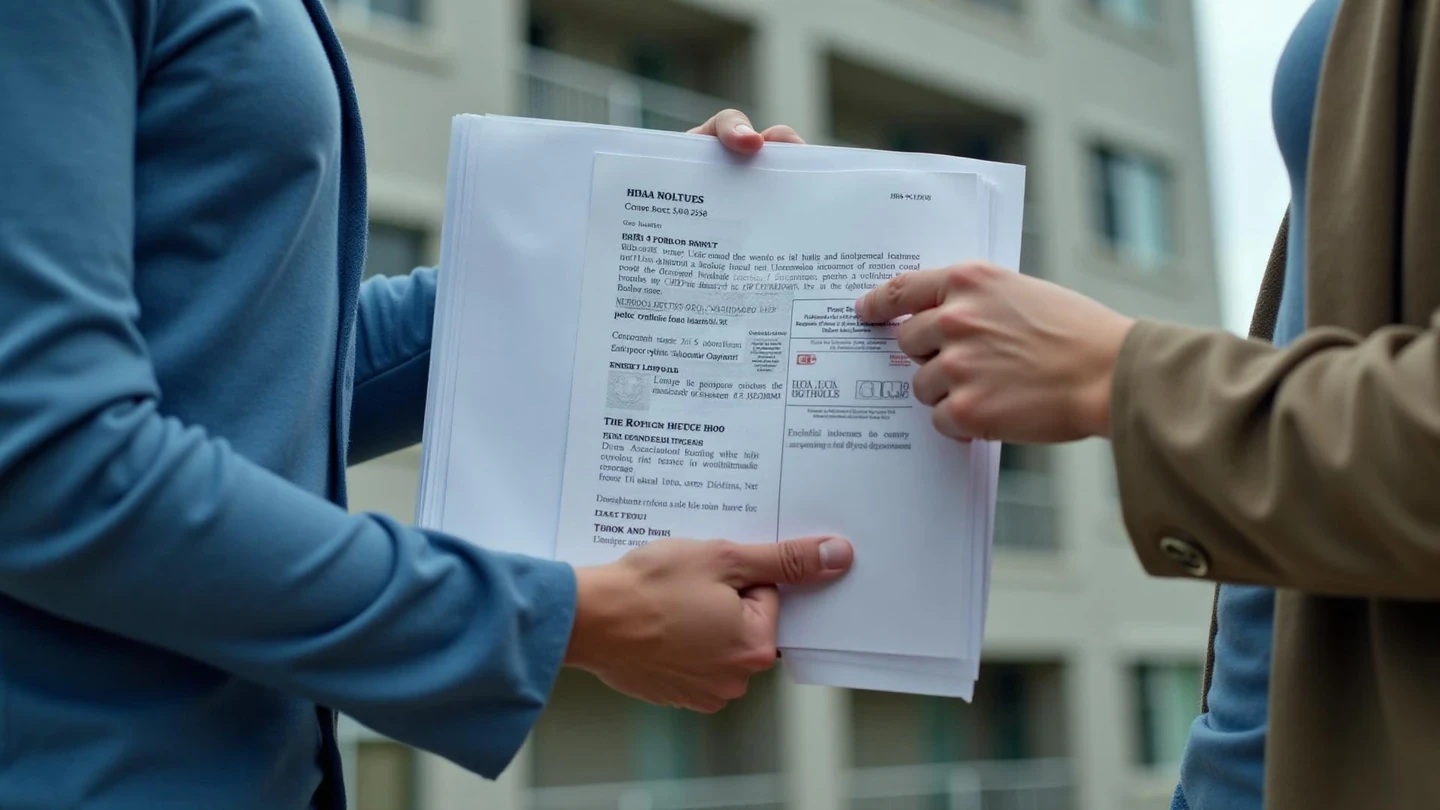
Condo owners can get force-placed insurance even when the building is insured—usually because the lender can’t verify the right documents. The fix is often sending both the HOA master policy certificate and your HO-6 unit policy proof in a clear package.
Master policy vs. “walls-in” coverage
HOA master policy: commonly covers exterior, roof, and common areas.
Your HO-6 policy: commonly covers interior improvements, contents, and personal liability.
Common condo force-placement triggers
Missing master policy proof: The HOA renewed but didn’t send the updated certificate to your lender.
HO-6 lapse: Your unit policy ended or payment failed.
Deductible/limit mismatch: The lender flags a change in the master policy deductible or limits.
What to submit (one package)
HOA certificate of insurance: current term, limits, and named insured HOA.
HO-6 declarations page: active policy, effective dates, and your unit address.
Mortgagee clause + loan number: exactly as required by your servicer.
If your HOA is slow
Ask the property manager for written confirmation of coverage while you wait for the formal certificate. Keep email records and submit interim proof to pause or remove lender-placed coverage when possible.
Next step: Start Your Exit Plan.
Quick FAQ
Can force-placed be added even if the building is insured?
Yes—if the lender can’t verify the master policy or your unit-level HO-6 coverage in the format they require.
Related Posts



A Simple Exit Plan That Often Works
Once you understand how you arrived at force placed coverage, the next goal is usually to replace it and restore full protection.
01
Secure New Coverage
Shop for a policy that fits your specific situation, whether through standard insurers or high-risk "excess and surplus" markets.
Ensure your new coverage restores the personal property and liability protection that force-placed policies often omit, and verify that dwelling limits are based on replacement cost rather than just your loan balance.
02
Submit Proof
To cancel the lender’s policy, you must provide a complete proof of insurance package.
This typically includes a full declarations page and the servicer's specific mortgagee clause—including your loan number—to prove your coverage meets the minimum requirements of your mortgage contract.
03
Confirm Cancellation
Once your servicer accepts the proof, they will typically cancel the force-placed policy and issue a pro-rated refund to your escrow account.
Monitor your account to ensure the refund is applied and that your monthly mortgage payment is recalculated to reflect the lower insurance costs.