8 min read
Jan 14, 2024
Old Roof And Non Renewal Issues That Often Lead To Force Placed Homeowners Insurance
Old Roof And Non Renewal Issues That Often Lead To Force Placed Homeowners Insurance
Many homeowners are introduced to force placed insurance after receiving a non renewal notice or cancellation related to the age or condition of their roof. Roof age is one of the most common reasons insurers decline coverage, especially in areas with wind, hail, or severe weather exposure. When a policy is not renewed and the homeowner does not secure a replacement in time, force placed insurance is usually added by the mortgage servicer.
This guide explains why old roofs often trigger non renewal, how insurers determine roof eligibility, why this situation often leads to force placed insurance, and what homeowners can usually do to correct the issue and restore standard coverage.
Why Roof Age Matters To Insurers
Roofs play a major role in protecting a home from weather damage. Insurance companies pay out large amounts each year for roof related claims, especially in regions with frequent storms. Because of this, insurers monitor roof age closely and often impose underwriting guidelines that limit how old a roof can be before coverage is declined.
Insurers usually consider a roof high risk when it reaches:
15 to 20 years old for shingle roofs
20 to 30 years old for tile or metal roofs
10 to 15 years old in high wind regions
Once a roof reaches these ages, standard insurers often begin to reduce coverage, offer only actual cash value settlements, or send non renewal notices.
Common Reasons Old Roofs Lead To Non Renewal
Several factors related to roof condition usually cause insurers to end coverage on a home.
Wear and tear
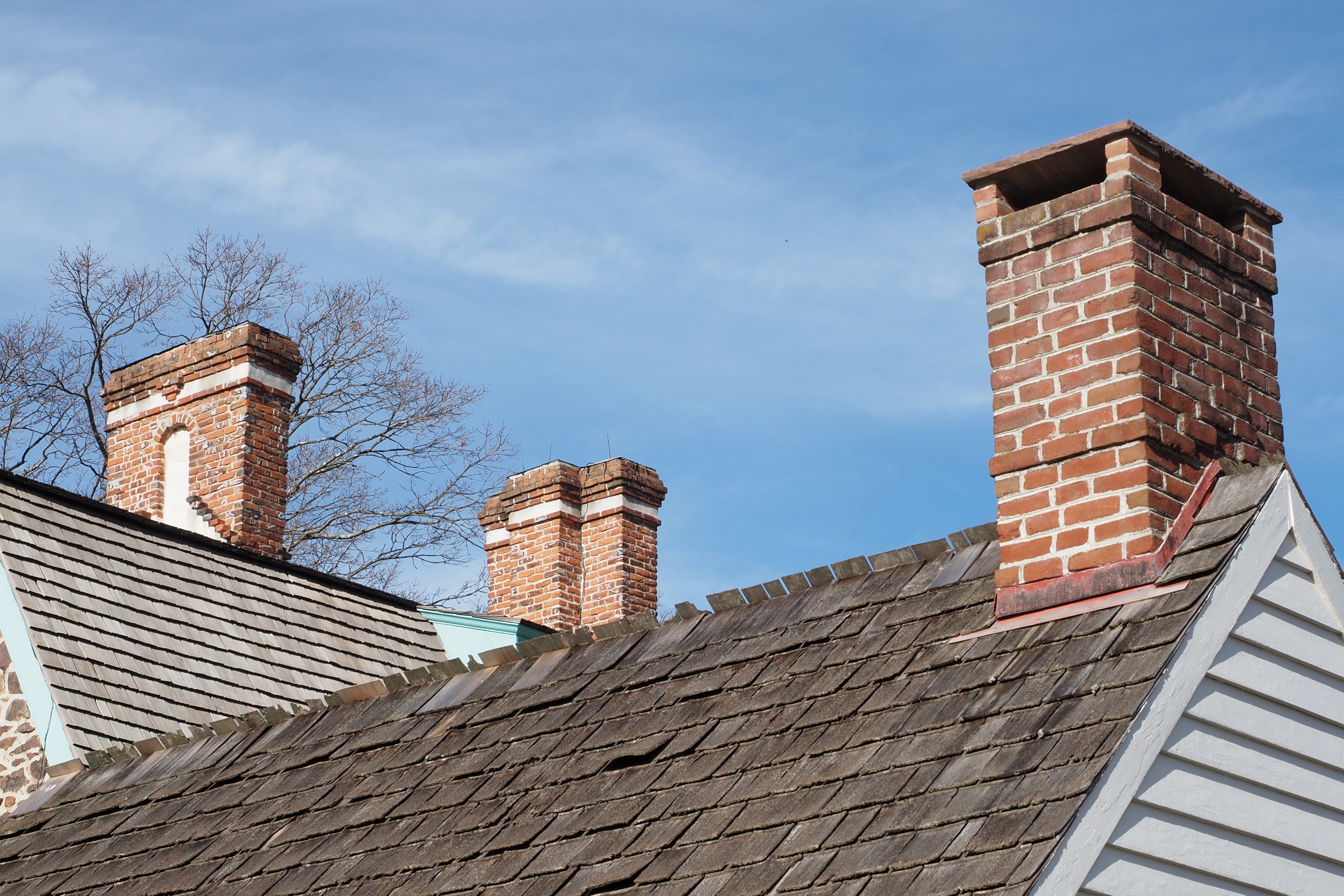
Roofs naturally deteriorate over time due to sun exposure, temperature changes, wind, and rain. When granule loss, curling shingles, or visible wear appear, insurers may judge the roof too risky.
Previous storm damage
If the roof shows signs of past storm impact or partial repairs were never completed, insurers may consider it vulnerable to future losses.
Unknown roof age
If a homeowner cannot verify the roof replacement date, insurers sometimes assume the roof is older than it is.
Inspection findings
Many insurers conduct property inspections. If inspectors find loose shingles, missing shingles, exposed underlayment, or poor installation, non renewal is common.
How Non Renewal Often Leads To Force Placed Insurance
When an insurer sends a non renewal notice, the policy continues until the expiration date. If the homeowner does not secure a replacement policy by that date, the home becomes uninsured. Because mortgage agreements require continuous coverage, the servicer usually steps in.
Here is what usually happens:
The standard policy expires
The homeowner has no replacement policy
The servicer sends notice letters requesting proof of insurance
If proof is not provided, the servicer purchases force placed insurance
The premium is charged to the escrow account
This process happens even when the homeowner was unaware of the non renewal or misunderstood the notice.
Why Force Placed Insurance Is Not A Long Term Solution For Roof Issues
Force placed insurance is designed to protect the lender and does not solve the underlying roof issue. It usually lacks coverage for:
Personal property
Liability
Loss of use
Interior water damage
Because force placed insurance is usually more expensive and limited, homeowners often try to move back to standard or high risk insurance as soon as possible.
What Homeowners Can Usually Do To Replace Coverage After A Roof Related Non Renewal
Homeowners can usually find a replacement policy by addressing roof issues or using high risk options.
Step 1: Get a roof inspection
Roofing contractors can often provide:
A written condition report
Photos of problem areas
Estimates for repairs or replacement
Some insurers accept a roofer''s certification if the roof is still functional.
Step 2: Make necessary repairs
Minor repairs often include:
Replacing missing shingles
Securing loose materials
Fixing flashing issues
Even small repairs can help expand insurance options.
Step 3: Consider roof replacement
If the roof is too old or too damaged, replacement is often the only way to return to standard insurance markets. A new roof can dramatically improve eligibility and pricing.
Step 4: Shop high risk carriers
If repairs or replacement are not immediately possible, high risk carriers often insure homes that standard insurers reject. These carriers usually accept older roofs, although deductibles or coverage limits may differ.
Step 5: Explore FAIR Plans
FAIR Plans offer basic coverage when other markets decline. These policies sometimes need companion policies for liability and contents coverage.
How To Remove Force Placed Coverage After Fixing Roof Issues
Once you have a replacement policy, removing force placed insurance is usually straightforward.
Steps typically include:
Send the declarations page to your servicer
Verify that the mortgagee clause is correct
Confirm the effective date shows no lapse
Ask the servicer to cancel the force placed policy
The servicer usually issues a pro rated refund for overlapping coverage and applies it to your escrow balance.
How Old Roof Issues Can Be Prevented In The Future
You can usually avoid roof related insurance problems by:
Keeping receipts and documentation of roof repairs or replacement
Scheduling regular roof inspections
Addressing small problems before they become major
Renewing policies early and sending proof directly to the servicer
Proactive roof maintenance helps keep insurance affordable and predictable.
Frequently Asked Questions
Is an old roof an automatic reason for non renewal
Not always. Some insurers allow older roofs if they pass inspection or are in good condition.
Can force placed insurance cover roof damage
Coverage depends on the force placed policy. Many policies limit roof related claims or exclude cosmetic damage.
If I replace my roof, can I return to standard insurance
Usually yes. A new roof often opens the door to better coverage and pricing.
Do I need to notify my lender after replacing the roof
It can help. Updated photos or documentation may assist with future insurance verification.
How fast can I remove force placed insurance after a non renewal
Many homeowners remove force placed insurance within a few days after securing replacement coverage and sending proof to the servicer.
Related Posts





How to remove force placed homeowner insurance
A Simple Exit Plan That Often Works
Once you understand how you arrived at force placed coverage, the next goal is usually to replace it and restore full protection.
01
Secure New Coverage
Shop for a policy that fits your specific situation, whether through standard insurers or high-risk "excess and surplus" markets.
Ensure your new coverage restores the personal property and liability protection that force-placed policies often omit, and verify that dwelling limits are based on replacement cost rather than just your loan balance.
02
Submit Proof
To cancel the lender’s policy, you must provide a complete proof of insurance package.
This typically includes a full declarations page and the servicer's specific mortgagee clause—including your loan number—to prove your coverage meets the minimum requirements of your mortgage contract.
03
Confirm Cancellation
Once your servicer accepts the proof, they will typically cancel the force-placed policy and issue a pro-rated refund to your escrow account.
Monitor your account to ensure the refund is applied and that your monthly mortgage payment is recalculated to reflect the lower insurance costs.