8 min read
Jan 17, 2024
Proof Of Insurance Required To Remove Force Placed Homeowners Coverage
Once force placed homeowners insurance appears on a mortgage account, the next step is usually to send proof of a new homeowners insurance policy to the mortgage servicer. Servicers are strict about what constitutes acceptable proof. Even small errors or missing information often delay removal of the force placed policy and may cause extended escrow shortages or higher monthly payments.
This guide explains the documents servicers usually require, how to submit proof correctly, why certain submissions are rejected, and what homeowners can do to ensure smooth and fast removal of force placed insurance.
What Servicers Usually Need As Proof Of Insurance
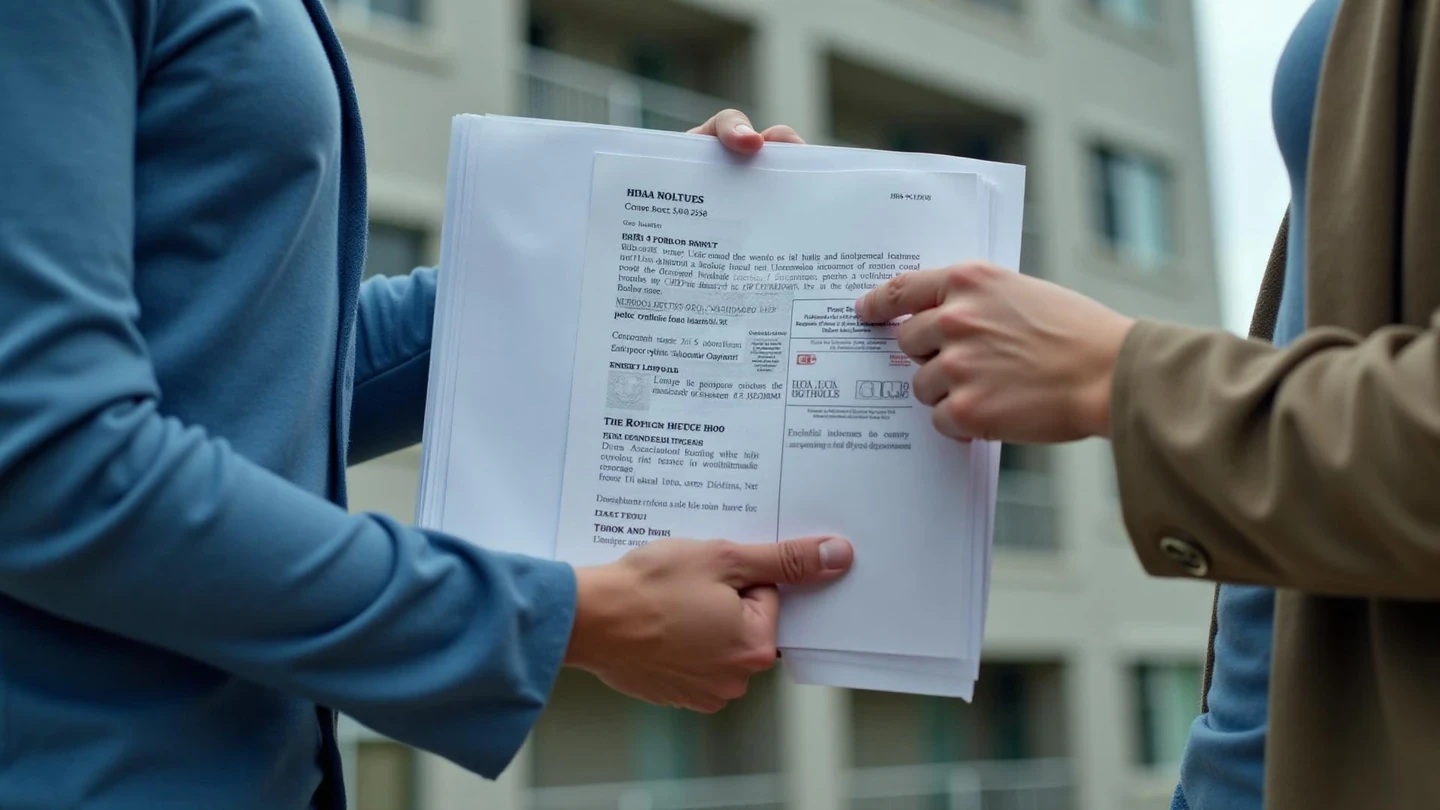
Servicers generally require a complete, clear, and correct proof package. The most important document is the declarations page, also known as the dec page. The declarations page summarizes the most essential details of the policy in a way servicers can review quickly.
A complete proof package usually includes:
The full declarations page
The correct mortgagee clause
The property address
The named insureds
The policy number
The effective and expiration dates
The loan number
Missing any of these items can cause the servicer to reject the submission.
Why The Declarations Page Is The Most Important Document
The declarations page is essential because it shows the following information at a glance:
Coverage A dwelling limit
Coverage B, C, and D limits where applicable
Liability limits
Deductibles
The insurance carrier name
Servicers rely on the declarations page to verify that coverage meets their requirements and that the home is properly insured.
The Mortgagee Clause And Why It Matters
The mortgagee clause identifies the lender or servicer and confirms that they are listed correctly on the policy. If the mortgagee clause is incorrect, the servicer usually cannot accept the proof.
A correct mortgagee clause typically includes:
The full lender or servicer name
The mailing address or P.O. box
The loan number for the property
Servicers often provide a specific mortgagee clause in notice letters or on their website. Copying this exactly is critical.
Why Effective Dates Must Be Accurate
Servicers require exact effective dates to determine whether there was a lapse. If there was a lapse, the servicer may still need to backdate force placed coverage until the new policy began.
When submitting proof, homeowners should confirm:
The effective date of the new policy is correct
The expiration date aligns with a one year term or as written
There is no gap in coverage compared to the previous policy
If there is a gap, the servicer may still charge some force placed premium for the lapse period.
How To Send Proof To Your Servicer
Most servicers accept proof of insurance in several ways. Submitting through multiple channels often helps avoid delays.
Common methods include:
Email to the servicer''s insurance department
Upload through the online mortgage portal
Fax using the number on the notice letter
Mail, although this is slower
Many homeowners send proof by email and then call the servicer to confirm receipt.
How To Format A Clear Proof Submission
A well formatted submission usually prevents delays. A simple email template often works well.
Example email:
Subject: Proof of Homeowners Insurance for Loan Number [####]
Hello,
Attached is the declarations page for my homeowners insurance policy covering the property at [address]. The policy is active and includes the correct mortgagee clause and loan number. Please update your records and remove lender placed insurance.
Thank you.
Common Reasons Proof Is Rejected
Servicers often reject proof for reasons that are easy to correct once identified. Common issues include:
The mortgagee clause does not match exactly
The declarations page is missing or incomplete
The loan number is not included
The property address is listed incorrectly
The effective date has not yet started
A quote was submitted instead of an active policy
Correcting these issues and resubmitting proof usually resolves the problem quickly.
What Happens After Proof Is Accepted
Once the servicer accepts the proof:
The force placed policy is usually canceled
A pro rated refund is applied to the escrow account
The monthly mortgage payment may decrease
The servicer updates the insurance status on the loan
The refund often reduces any escrow shortage created by the force placed insurance.
How Long Removal Usually Takes
Timelines can vary, but most servicers update insurance records within:
Two to three business days for document review
Three to ten business days for cancellation of force placed coverage
One to two billing cycles for the refund to appear in escrow
Submitting accurate proof usually shortens this timeline.
How To Avoid Proof Problems In The Future
You can usually avoid proof related issues by following a few simple habits:
Renew homeowners insurance early each year
Send proof to the servicer at renewal
Confirm the servicer received and processed the proof
Check email or mail for notice letters
Update the mortgagee clause if you refinance or your loan is transferred
These steps help prevent accidental lapses and force placed coverage.
Frequently Asked Questions
Is a quote acceptable as proof of insurance
No. Servicers require a full declarations page showing active coverage.
What if the mortgagee clause is missing from my policy
You can ask your insurance company to add the correct clause and issue an updated declarations page.
How long does it take a servicer to remove force placed insurance after proof is submitted
Most removals occur within a few business days, though refunds may take longer to appear in escrow.
Will my mortgage payment go down after force placed insurance is removed
Usually yes. Refunds applied to escrow often reduce shortages and lower the monthly payment.
Why do servicers reject proof even when I have coverage
Proof is often rejected for small errors such as an incorrect mortgagee clause or missing loan number, but these issues can be corrected easily.
Related Posts
How to remove force placed homeowner insurance
A Simple Exit Plan That Often Works
Once you understand how you arrived at force placed coverage, the next goal is usually to replace it and restore full protection.
01
Secure New Coverage
Shop for a policy that fits your specific situation, whether through standard insurers or high-risk "excess and surplus" markets.
Ensure your new coverage restores the personal property and liability protection that force-placed policies often omit, and verify that dwelling limits are based on replacement cost rather than just your loan balance.
02
Submit Proof
To cancel the lender’s policy, you must provide a complete proof of insurance package.
This typically includes a full declarations page and the servicer's specific mortgagee clause—including your loan number—to prove your coverage meets the minimum requirements of your mortgage contract.
03
Confirm Cancellation
Once your servicer accepts the proof, they will typically cancel the force-placed policy and issue a pro-rated refund to your escrow account.
Monitor your account to ensure the refund is applied and that your monthly mortgage payment is recalculated to reflect the lower insurance costs.