
9 min read
Jan 20, 2026
Last reviewed: February 13, 2026
By: High-Risk Insurance Specialist
If lender-placed insurance showed up on your mortgage, you’re not stuck. In most cases, it can be removed once you have an active policy that meets your lender’s requirements and your servicer has accepted valid proof.
Why lender-placed insurance appears
Coverage lapse: Your policy ended, was canceled, or wasn’t renewed.
Proof problem: Your servicer didn’t receive or couldn’t accept your documents.
Requirement mismatch: Deductible, dwelling limit, or mortgagee clause didn’t match.
3 steps to remove it
Bind your own policy: Standard homeowners if eligible; specialty/E&S or FAIR Plan if needed.
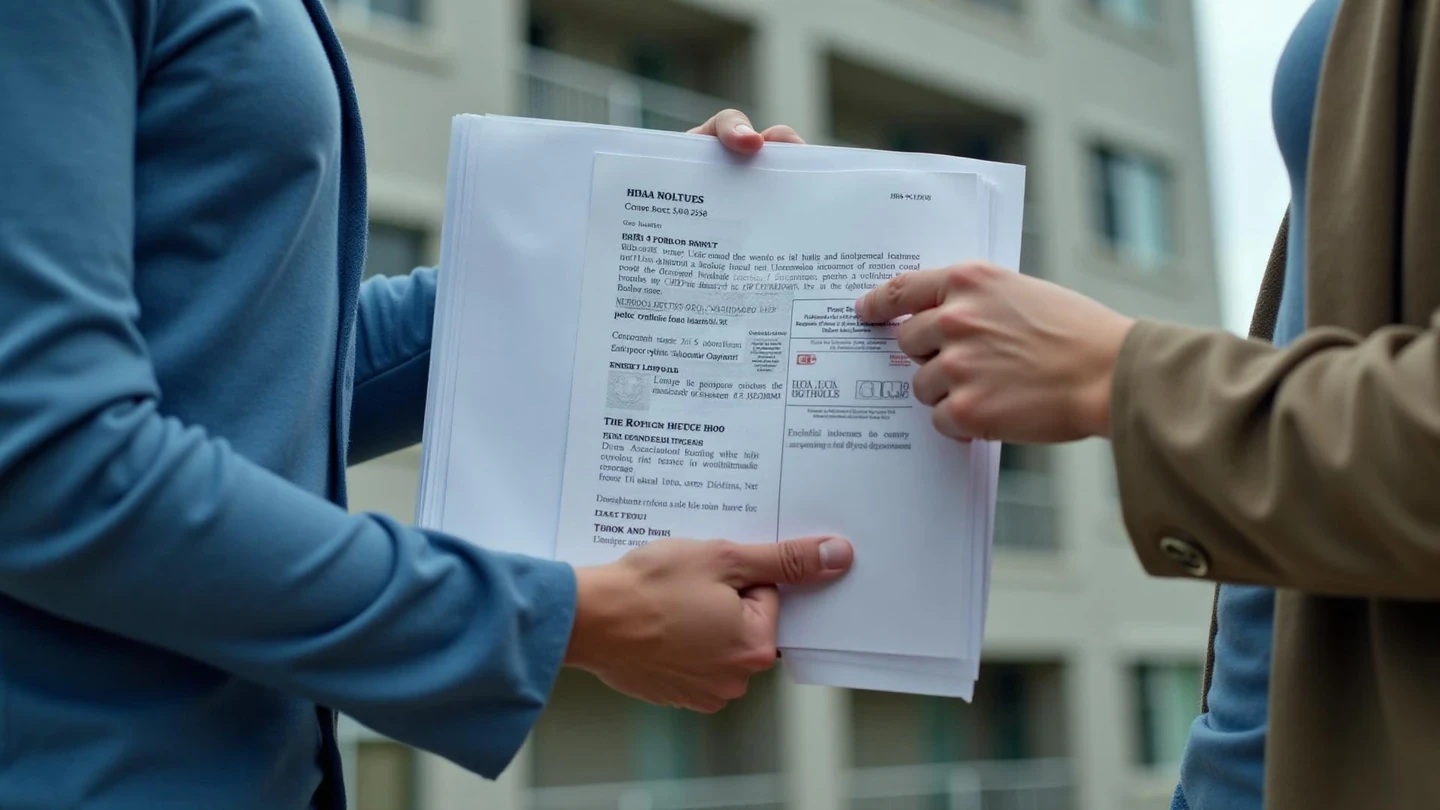
Submit proof correctly: Declarations page + exact mortgagee clause + loan number + effective dates.
Get written confirmation: Ask for the cancellation date and when escrow will be credited.
Will you get a refund?
If you had continuous coverage: Once you prove no lapse, charges for overlapping time periods are typically reversed.
If there was a real lapse: You may owe for the gap period, but unearned premium after your new policy starts is typically credited back to escrow.
How to speed up the payment drop
After the escrow credit posts, ask your servicer for an off-cycle escrow analysis so your monthly payment reflects the lower premium sooner.
Next step: Start Your Exit Plan or Get Matched With a Licensed Agent in Your State.
Quick FAQ
Can I cancel lender-placed insurance without buying new coverage?
No. Your mortgage requires continuous hazard insurance.
How long does the escrow credit take?
Often 1–2 billing cycles after proof is accepted, but timing varies by servicer.
Related Posts


A Simple Exit Plan That Often Works
Once you understand how you arrived at force placed coverage, the next goal is usually to replace it and restore full protection.
01
Secure New Coverage
Shop for a policy that fits your specific situation, whether through standard insurers or high-risk "excess and surplus" markets.
Ensure your new coverage restores the personal property and liability protection that force-placed policies often omit, and verify that dwelling limits are based on replacement cost rather than just your loan balance.
02
Submit Proof
To cancel the lender’s policy, you must provide a complete proof of insurance package.
This typically includes a full declarations page and the servicer's specific mortgagee clause—including your loan number—to prove your coverage meets the minimum requirements of your mortgage contract.
03
Confirm Cancellation
Once your servicer accepts the proof, they will typically cancel the force-placed policy and issue a pro-rated refund to your escrow account.
Monitor your account to ensure the refund is applied and that your monthly mortgage payment is recalculated to reflect the lower insurance costs.