
8 min read
Jan 18, 2024
Last reviewed: February 13, 2026
By: High-Risk Insurance Specialist
After a major storm or wildfire, lender-placed coverage can leave homeowners surprised by what isn’t included. These policies are designed to protect the lender’s collateral, so broader “life disruption” protections may be limited or missing.
Common gaps after disasters
Temporary housing: Loss of use (ALE) is often limited or not included.
Personal property: Contents coverage is commonly excluded.
Water losses: Some programs limit wind-driven rain, seepage, or long-term leak claims.
Wind/hail limits: High deductibles or restricted coverage may apply in certain regions.
Code upgrades: Ordinance or law coverage is often not included.
Matching: Cosmetic matching for roofs/siding/finishes may not be covered.
What to do if a disaster hits while you’re force-placed
Document damage: photos, videos, and receipts for emergency repairs.
Ask about check payees and draws: confirm who controls repairs funding and inspection timing.
Replace coverage when possible: a standard or specialty policy can add contents and loss-of-use protection.
Next step: Get Matched With a Licensed Agent in Your State.
Quick FAQ
Will lender-placed insurance cover hotel stays?
Often not. Review your lender-placed documents to confirm whether any loss-of-use coverage exists.
Related Posts



A Simple Exit Plan That Often Works
Once you understand how you arrived at force placed coverage, the next goal is usually to replace it and restore full protection.
01
Secure New Coverage
Shop for a policy that fits your specific situation, whether through standard insurers or high-risk "excess and surplus" markets.
Ensure your new coverage restores the personal property and liability protection that force-placed policies often omit, and verify that dwelling limits are based on replacement cost rather than just your loan balance.
02
Submit Proof
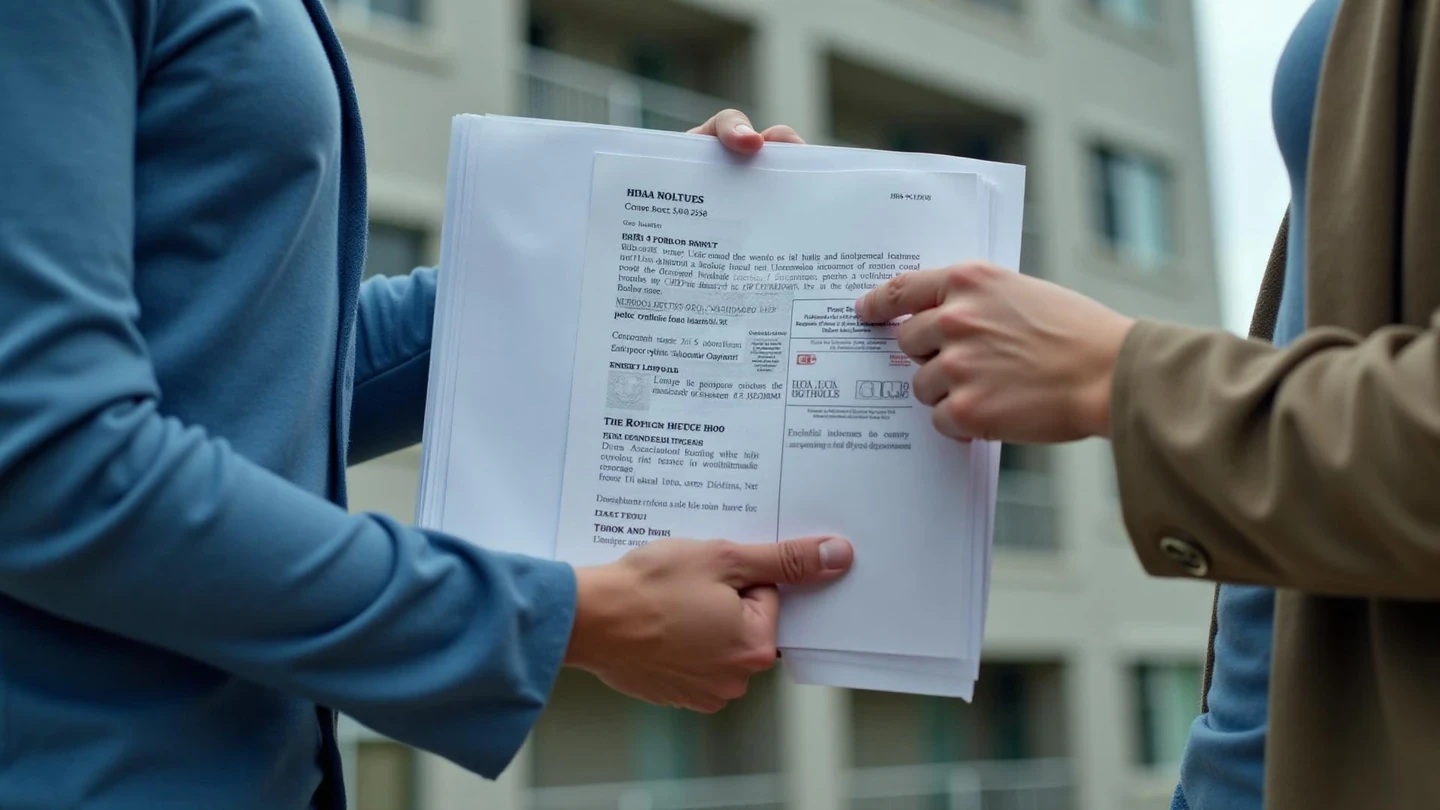
To cancel the lender’s policy, you must provide a complete proof of insurance package.
This typically includes a full declarations page and the servicer's specific mortgagee clause—including your loan number—to prove your coverage meets the minimum requirements of your mortgage contract.
03
Confirm Cancellation
Once your servicer accepts the proof, they will typically cancel the force-placed policy and issue a pro-rated refund to your escrow account.
Monitor your account to ensure the refund is applied and that your monthly mortgage payment is recalculated to reflect the lower insurance costs.